Best Universities in the UK: A Guide for Aspiring Students
Hey there, if you’re eyeing a spot at a UK university, you’re in good company. The UK boasts some of the world’s most prestigious institutions, blending centuries-old traditions with cutting-edge research. I’ve spent time digging into the latest rankings for 2026, and while “best” can be subjective—depending on your field, location preferences, or campus vibe—certain names consistently rise to the top. These schools aren’t just about prestige; they offer real value through strong employability, diverse communities, and innovative programs. Let’s break it down, focusing on what matters for prospective students like you.
First off, how do we define “best”? Rankings from sources like Times Higher Education (THE), QS, Guardian, and Complete University Guide weigh factors such as teaching quality, research output, student satisfaction, and graduate outcomes. For 2026, Oxford holds the top spot in THE’s UK list, with Cambridge and Imperial close behind. QS ranks Imperial second globally, highlighting its STEM focus. The Guardian emphasizes student experience, putting Oxford first but elevating St Andrews for its intimate setting. A consensus from multiple sources, like a Reddit compilation averaging QS and THE, points to Oxford, Cambridge, Imperial, UCL, LSE, and Edinburgh as frontrunners. I’ll spotlight these, drawing from official sites and recent data, to give you actionable insights.
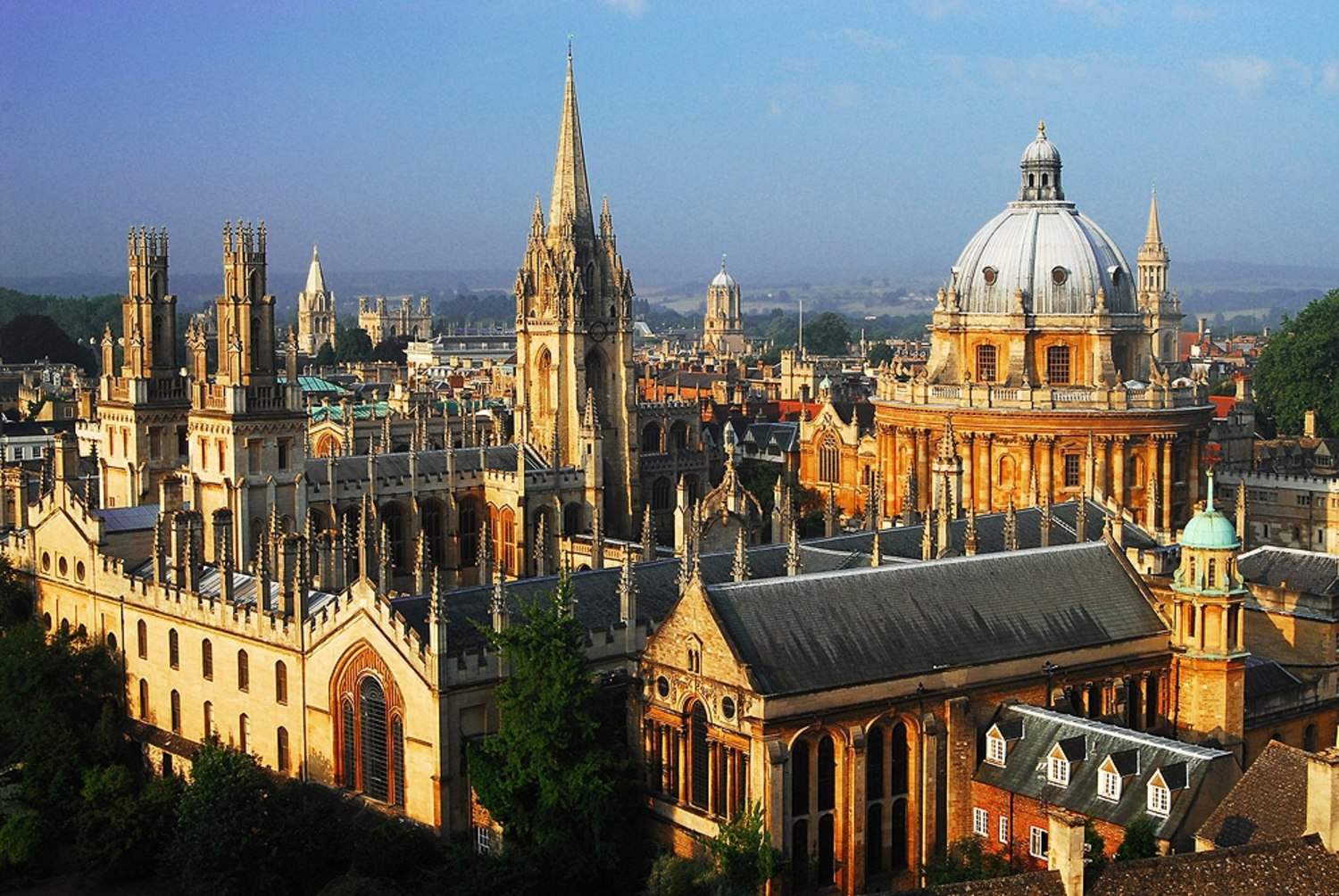
Starting with the University of Oxford. Founded in 1096, it’s the oldest English-speaking university, with a collegiate system that feels like a network of mini-campuses. Strengths lie in humanities, sciences, and social sciences—think PPE (Philosophy, Politics, Economics) or medicine. Student body: about 26,000, with 45% international from over 160 countries. Admissions are tough; expect AAA at A-level or equivalent (like 38-40 IB points), plus entrance tests and interviews. For international students in 2026, fees range £29,000-£48,000 annually, depending on the course. Notable alumni include 30 UK prime ministers and scientists like Stephen Hawking. What sets it apart? The tutorial system, where you debate ideas one-on-one with experts, sharpens critical thinking like nothing else.
Next, the University of Cambridge, established in 1209 after scholars fled Oxford—talk about rivalry! It mirrors Oxford’s collegiate setup but shines in STEM and humanities, with programs like natural sciences or history leading the pack. Around 24,000 students, 40% international. Entry requires AAA A-levels or 40-42 IB, with subject-specific tests. Fees for internationals: £29,000-£44,000 per year, varying by group (e.g., engineering higher). Alumni? Charles Darwin, Isaac Newton, and modern figures like Emma Thompson. The real draw is the supervision system, similar to tutorials, fostering deep dives into subjects. If you’re into research, Cambridge’s labs are world-class, with ties to Silicon Fen for tech innovation.

Imperial College London stands out for its tech and science bent. Founded in 1907, it’s younger but packs a punch, ranking second globally in QS 2026. Key areas: engineering, medicine, business. Student demographics: 22,000 total, over 60% international. Admissions demand AAA-A*AA A-levels or 38-42 IB, plus admissions tests like MAT for math-heavy courses. International fees: £37,900-£53,700 yearly. Alumni include Alexander Fleming (penicillin discoverer) and current innovators in AI. Imperial’s White City campus is a hub for startups, perfect if you want to blend studies with entrepreneurship.

University College London (UCL), started in 1826, is London’s multidisciplinary giant. It ranks ninth globally in QS, strong in arts, sciences, and law. With 51,000 students from 150+ countries, it’s diverse and urban. Entry: AAA-A*AA A-levels or 34-39 IB, with contextual offers for underrepresented groups. Fees for internationals: £23,000-£38,000 undergrad, £17,000-£43,000 postgrad. Famous grads: Mahatma Gandhi, Christopher Nolan. UCL’s edge? Its location in Bloomsbury, surrounded by museums and networks, plus research opportunities from day one.
The London School of Economics and Political Science (LSE), founded in 1895, specializes in social sciences—economics, politics, sociology. Top in the UK per Times Good University Guide 2026. Compact with 12,000 students, 70% international. Admissions: A*AA A-levels or 38 IB, emphasizing math for quant-heavy programs. Fees: £27,500-£34,000 for internationals. Alumni: 55 world leaders, economists like Amartya Sen. LSE’s seminars with policymakers make it ideal for career-driven folks aiming for finance or government.
Rounding out the top tier, the University of Edinburgh, dating to 1583, mixes Scottish heritage with global appeal. Strengths: medicine, informatics, humanities. 45,000 students, 45% international. Entry: AAA-ABB A-levels or 34-38 IB. International fees: £29,000-£39,000 undergrad. Alumni: Darwin (again), J.K. Rowling. Edinburgh’s festivals and research institutes, like the Roslin for biotech, offer unique experiences.
Beyond these, consider King’s College London for health sciences, Manchester for engineering, Bristol for earth sciences, and Glasgow for veterinary medicine—all in the top 20 across rankings. Russell Group unis like these emphasize research, boosting your CV.
Tips for applying: Start early—UCAS deadlines are January 2026 for most. Craft a personal statement showing passion and fit. Prepare for interviews; Oxford and Cambridge often grill you on your subject. For internationals, average fees sit £15,000-£25,000 yearly, but vary—budget £11,400-£38,000 undergrad. Scholarships abound, like Rhodes at Oxford or Chevening for postgrads.
In the end, the “best” university aligns with your goals. Visit campuses if possible, chat with alumni, and weigh location—London’s buzz vs. Edinburgh’s charm. Whichever you choose, a UK degree opens doors worldwide. Good luck; you’ve got this!